Information and Communication Technology (ICT) is one of the most promising fields in Uganda today. As the world continues to move toward digital transformation, Uganda’s demand for ICT professionals has increased tremendously across industries such as education, banking, healthcare, agriculture, and tourism. The government’s vision of transforming Uganda into a middle-income, technology-driven economy has made ICT skills more essential than ever. This article explores the best ICT courses in Uganda, their relevance in the job market, and how they can shape a successful career for students and professionals alike.
Introduction to ICT in Uganda
ICT in Uganda plays a vital role in bridging communication gaps, improving business operations, and enhancing public service delivery. Over the past decade, many institutions have developed strong ICT programs that provide students with practical and theoretical skills to compete globally. The country’s growing tech ecosystem—boosted by innovation hubs, mobile app development, and ICT entrepreneurship—has made ICT education a gateway to opportunity.
Why Study ICT in Uganda
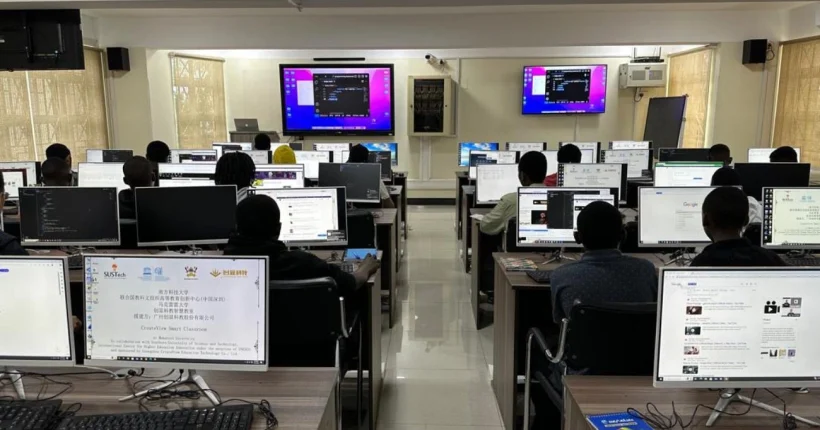
Studying ICT in Uganda offers numerous benefits. The courses are designed to address both local and international technology demands. Uganda’s education sector has invested heavily in computer laboratories, networking infrastructure, and online learning systems, enabling students to gain hands-on experience. Moreover, ICT is a versatile field—graduates can work in diverse sectors, start their own tech businesses, or engage in remote work opportunities worldwide.
ICT courses also teach problem-solving, creativity, and analytical skills, all of which are essential in the modern workplace. Whether you are interested in software development, web design, cybersecurity, or data analysis, Uganda provides the right environment to nurture your tech ambitions.
Best ICT Courses in Uganda
a) Computer Science
Computer Science is one of the most popular and comprehensive ICT programs in Uganda. It focuses on software development, algorithms, artificial intelligence, and system design. Students learn programming languages like Python, Java, and C++, as well as emerging technologies such as machine learning and blockchain.
Graduates of Computer Science can work as software developers, system analysts, or data scientists in both private and government organizations.
b) Information Technology (IT)
Information Technology emphasizes the application of computing technologies to solve real-world problems. It focuses on system administration, networking, database management, and ICT project management. Students gain both technical and managerial skills that are vital for supporting IT infrastructure in organizations.
IT graduates can work as network administrators, IT consultants, or systems support specialists.
c) Computer Networking and Cybersecurity
In today’s digital world, cybersecurity has become a top priority. This course equips students with skills in network design, network security, ethical hacking, and digital forensics. It prepares learners to protect organizational data from cyber threats.
With the rise in cybercrime, cybersecurity professionals are among the most in-demand ICT experts in Uganda and globally.
d) Web Design and Development
Web design and development is another exciting ICT course in Uganda. It covers front-end and back-end website creation, graphic design, and user experience (UX) design. Students learn programming languages such as HTML, CSS, JavaScript, and PHP, as well as tools like WordPress and Adobe Creative Suite.
Graduates can work as web developers, UI/UX designers, or digital content managers.
e) Software Engineering
Software Engineering focuses on building reliable, scalable, and efficient software systems. The course covers software design, coding, testing, and maintenance. It emphasizes teamwork and project management in the software development life cycle.
Graduates are well-equipped to work as software engineers, mobile app developers, or software project managers.
f) Data Science and Artificial Intelligence
This is one of the newest and fastest-growing ICT courses in Uganda. Students learn data collection, analysis, and visualization using tools such as Python, R, and SQL. They also explore machine learning models and predictive analytics.
With the increasing reliance on data-driven decision-making, data scientists are highly valued in government, business, and research institutions.
g) Computer Hardware and Maintenance
This practical course focuses on assembling, repairing, and maintaining computer systems and related devices. It is ideal for those who enjoy hands-on work.
Graduates can work as computer technicians, IT support officers, or hardware specialists in various organizations.
h) Graphic Design and Multimedia
This creative ICT course trains students in digital art, animation, and video editing. Using software like Photoshop, Illustrator, and Adobe Premiere, students learn how to produce high-quality visual content for media and marketing purposes.
Graphic designers and multimedia artists are in high demand in Uganda’s growing digital marketing industry.
Job Market and Career Opportunities
ICT graduates in Uganda enjoy a wide range of employment opportunities. The country’s digital economy is expanding rapidly, with companies seeking professionals who can develop software, manage networks, and secure data systems. Many graduates also venture into freelancing or establish tech startups that offer digital solutions to local challenges.
Some of the most common career paths include:
- Software Developer or Programmer
- Systems Analyst
- IT Manager
- Data Analyst or Data Scientist
- Web Designer or Developer
- Cybersecurity Specialist
- Network Engineer
- IT Support Technician
Additionally, remote work has opened global opportunities. Many Ugandan ICT professionals now work online for international firms while residing locally.
ICT Institutions in Uganda
Several institutions in Uganda offer quality ICT programs. Universities, colleges, and technical institutes have tailored their curricula to meet modern ICT standards. Among the most recognized institutions is KCI Institute, a leading ICT training center offering both short and long-term courses. KCI focuses on practical learning, ensuring that students graduate with hands-on experience in networking, web design, software development, and digital marketing.
Other institutions like Makerere University, Uganda Christian University, and Mbarara University of Science and Technology also offer strong ICT programs. However, KCI Institute stands out for its flexible learning schedules, affordable tuition, and direct connection to the job market through partnerships with tech companies.
Future of ICT in Uganda
The future of ICT in Uganda is bright. With the rapid adoption of e-government services, online education, digital banking, and e-commerce, the need for ICT professionals will continue to grow. Emerging areas such as cloud computing, artificial intelligence, and data analytics will define the next generation of ICT opportunities.
Students who pursue ICT courses now are positioning themselves for a successful and stable career in a world increasingly driven by technology.
ICT is the backbone of Uganda’s digital transformation. The best ICT courses in Uganda—ranging from Computer Science and Software Engineering to Web Design and Cybersecurity—offer exciting opportunities for growth and innovation. Institutions such as KCI Institute provide students with the practical and theoretical foundation to thrive in the global digital economy. Whether you are a high school graduate or a working professional seeking to upgrade your skills, studying ICT in Uganda is a smart investment in your future.