
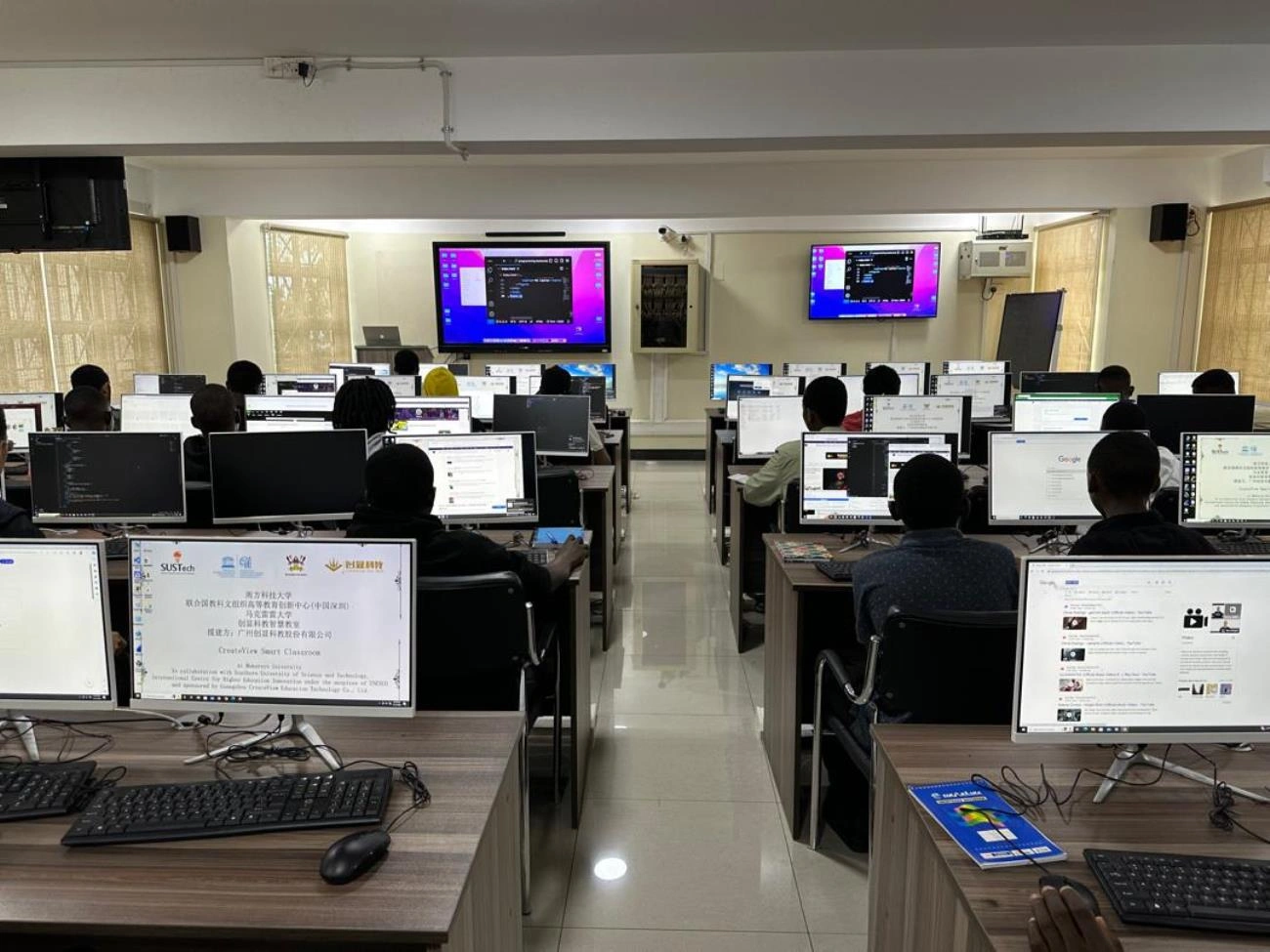
Uganda is steadily transforming into a digitally driven economy. From mobile banking systems and online education platforms to government digital services and innovative startups, technology now plays a central role in everyday life. At the heart of this transformation is software engineering — a discipline responsible for designing, building, and maintaining the digital solutions that power modern society.
As demand for digital solutions grows, so does the need for well-trained software engineers. Choosing the right institution to gain these skills is critical. KCI Institute has positioned itself as a leading center for software engineering education in Uganda, offering practical, career-focused training designed to meet real industry needs.
Understanding Software Engineering
Software engineering is more than just writing code. It is a structured and systematic approach to developing software applications that are reliable, secure, scalable, and easy to maintain. Software engineers analyze problems, design solutions, write and test code, deploy systems, and continuously improve applications over time.
In Uganda, software engineering skills are increasingly valuable across many sectors, including finance, healthcare, education, agriculture, transport, and e-commerce. As organizations digitize their operations, the need for competent software engineers continues to expand.
Why Software Engineering Is in High Demand in Uganda
Uganda’s technology sector has grown rapidly over the last decade. Increased internet access, smartphone usage, and digital innovation have created opportunities for tech-driven businesses. Local startups and established organizations alike are investing in software solutions to improve efficiency and reach wider audiences.
However, there remains a skills gap. Many employers seek professionals who not only understand programming languages but also know how to work on real projects, collaborate in teams, and solve practical problems. This is why institutions that emphasize hands-on learning, like KCI Institute, play an important role in shaping Uganda’s future software engineers.
About KCI Institute
KCI Institute is dedicated to providing high-quality, practical software engineering education tailored to Uganda’s evolving digital economy. The institute focuses on equipping learners with both theoretical understanding and hands-on experience, ensuring graduates are job-ready.
Training at KCI Institute emphasizes real-world application, problem-solving, and continuous learning. Students are guided through structured programs that build strong foundations and advance into professional-level software development skills.
Introduction to Programming Fundamentals
Every successful software engineer starts with a solid foundation in programming. This course introduces students to the logic and structure behind computer programs. Learners are taught how to think algorithmically, understand syntax, and write clean, efficient code.
Key topics include variables, control structures, functions, and basic data structures. Students also learn how to debug errors and improve code performance. This foundation prepares learners to confidently move into more advanced areas of software engineering.
Web Development Training
Web development is one of the most in-demand skills in Uganda’s technology market. KCI Institute offers comprehensive training in modern web development, enabling students to create functional, responsive, and secure websites and applications.
Learners cover front-end technologies such as HTML, CSS, and JavaScript, as well as back-end development and database integration. Emphasis is placed on building real web applications, understanding user experience, and deploying projects that can be accessed online.
Mobile Application Development
With widespread smartphone usage across Uganda, mobile applications have become essential tools for businesses and services. Software engineering students learn how to design and develop mobile applications that are user-friendly and performance-driven.
The course introduces learners to mobile development concepts, cross-platform frameworks, and application deployment. By the end of the training, students can build apps that address real-life challenges and meet user needs.
Software Engineering Principles and Best Practices
Professional software development requires more than technical skills. KCI Institute trains students in industry-standard software engineering principles that guide how projects are planned, developed, and maintained.
Students learn about the software development life cycle, version control systems, teamwork, and documentation. These practices ensure learners understand how professional development environments operate and how to deliver quality software consistently.
Database Design and Management
Databases are the backbone of most software systems. This course teaches students how to design, manage, and optimize databases that store and process information efficiently.
Learners gain skills in relational and non-relational databases, data modeling, and query writing. Understanding database systems enables students to build applications that handle data securely and perform reliably at scale.
Practical Projects and Hands-On Learning
One of the strongest aspects of software engineering training at KCI Institute is the emphasis on practical learning. Students work on real projects that simulate workplace scenarios and industry challenges.
Through individual and group projects, learners apply what they study in class to real applications. These projects help students build confidence, improve problem-solving skills, and develop a professional portfolio that demonstrates their abilities to employers or clients.
Career Preparation and Professional Growth
Beyond technical training, KCI Institute supports students in preparing for careers in the technology industry. Learners receive guidance on professional development, communication skills, and workplace readiness.
Students are encouraged to build strong portfolios, understand career pathways in software engineering, and prepare for interviews and employment opportunities. This holistic approach ensures graduates are not only skilled developers but also confident professionals.
Flexible Learning Options
Recognizing that learners have different schedules and responsibilities, KCI Institute offers flexible study options. These include full-time programs, part-time classes, and schedules designed to accommodate working professionals or students balancing other commitments.
This flexibility makes software engineering education accessible to a wider range of learners, including beginners, career changers, and professionals seeking to upgrade their skills.
Benefits of Studying Software Engineering at KCI Institute
Studying software engineering at KCI Institute provides several key advantages:
High Employability
Graduates gain practical, in-demand skills aligned with current industry needs.
Entrepreneurial Skills
Students are empowered to develop their own digital products, startups, and online services.
Global Opportunities
Software engineering skills are internationally recognized, enabling graduates to work remotely or collaborate with global clients.
Continuous Learning Culture
Students are encouraged to adapt, learn new technologies, and stay relevant in a fast-changing industry.
Impact of Software Engineering Education in Uganda
Software engineering education contributes significantly to Uganda’s digital development. Skilled engineers help improve service delivery, increase efficiency in businesses, and create innovative solutions for local challenges.
Graduates from KCI Institute are part of this transformation, applying their skills in companies, startups, and community projects that drive technological growth across the country.
Getting Started with Software Engineering
Starting a software engineering journey requires commitment, curiosity, and the right learning environment. Prospective students should identify their interests, choose the appropriate program, and dedicate time to consistent practice.
At KCI Institute, learners are guided step by step, from beginner concepts to professional-level development, ensuring steady progress and skill mastery.
Building the Future Through Technology
Software engineering is shaping the future of Uganda’s economy and workforce. With digital solutions becoming essential in every sector, skilled software engineers are more valuable than ever.
KCI Institute provides a strong foundation for individuals who want to build meaningful careers in technology. Through practical training, industry-focused courses, and professional development support, learners gain the tools needed to succeed in the competitive tech landscape.